
When Do You Need A Root Canal?
Nobody wants to hear the words "you need a root canal" at the dentist's office. But understanding why this treatment matters can help ease your worries. A root canal isn't something to fear. It's actually a procedure that saves your natural tooth and stops pain at its source.
So how do you know if you might need one? Let's look at the signs your tooth could be in trouble.
What Happens Inside Your Tooth
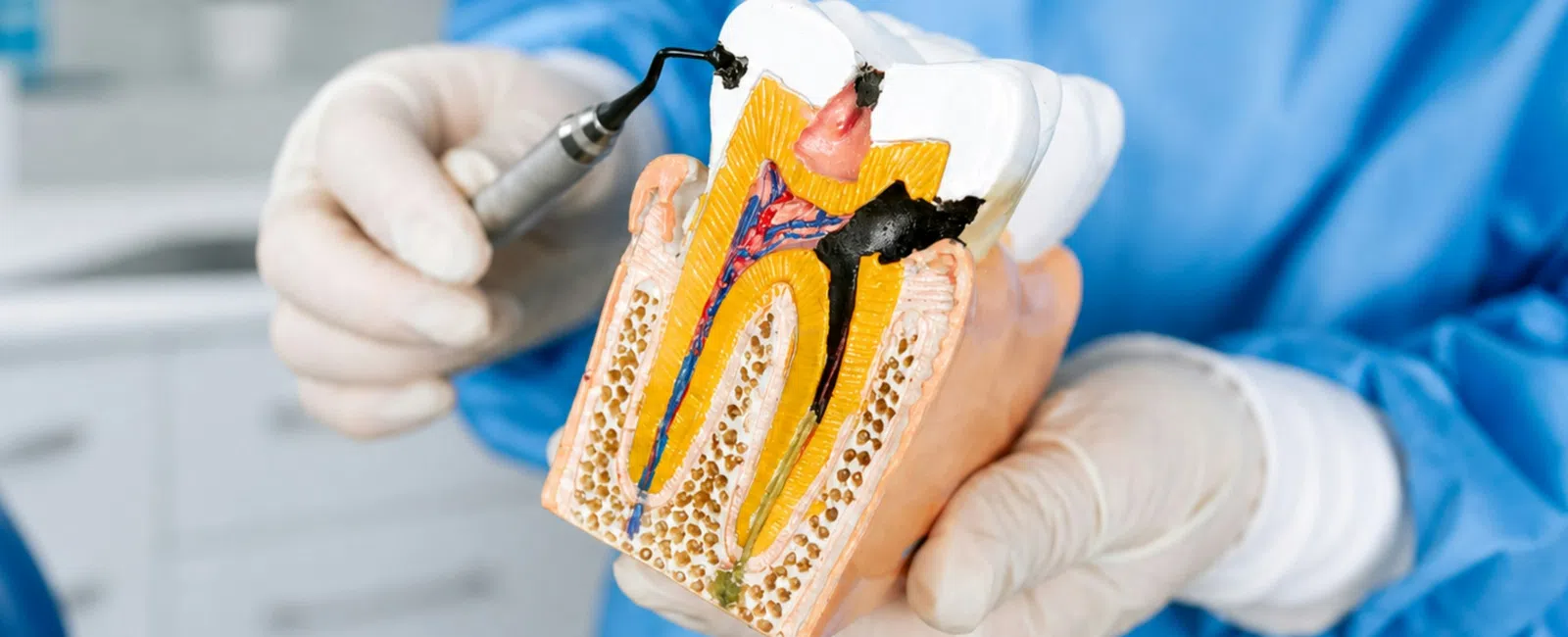
Every tooth has a soft center called the pulp. This pulp contains nerves, blood vessels, and connective tissue. It helps your tooth grow and stay healthy when you're young. Once your tooth is fully grown, you can survive without this pulp because the tooth gets nutrients from the tissue around it.
When the pulp becomes infected or inflamed, that's when problems start. Bacteria can sneak in through a deep cavity, a crack, or repeated dental work on the same tooth. Once bacteria reach the pulp, infection can spread if left untreated.
Signs You Might Need A Root Canal
Your body usually gives you warning signs when something is wrong. Here are the most common symptoms that point to a root canal:
- Severe pain when chewing or biting down
- Sensitivity to hot or cold that lingers long after the source is gone
- Swollen or tender gums near a specific tooth
- A tooth that has become darker or discolored
- A small bump on the gum that looks like a pimple
- Pain that keeps you up at night
Some people don't feel any pain at all, even when infection is present. This is why regular dental checkups matter so much. Your dentist can spot problems on an X-ray before you ever feel discomfort.
Common Causes Behind The Need For Treatment
Several things can lead to pulp damage. A deep cavity that isn't treated in time is one of the biggest culprits. Cracked or chipped teeth from injury can also let bacteria in. Sometimes a tooth has had multiple fillings or procedures over the years, which weakens it and raises the risk of infection.
Trauma from a sports injury or accident can damage the pulp even if the tooth looks fine on the outside. That's why dentists often recommend follow-up visits after any injury to the mouth.
What Happens If You Ignore The Symptoms
Putting off treatment might seem easier in the moment, but infection doesn't go away on its own. It can spread to the bone around the tooth root, causing an abscess. This can lead to more pain, swelling, and even bone loss. In some cases, the infection can spread to other parts of your body, which becomes a much bigger health concern.
Waiting too long might also mean the tooth can't be saved at all, leading to an extraction instead of a root canal. Saving your natural tooth is almost always better than losing it, both for your bite and your long term oral health.
What To Expect During The Procedure
Modern root canals are much more comfortable than their reputation suggests. Your dentist or endodontist numbs the area completely before starting. They remove the infected pulp, clean out the canal, and seal it to prevent further infection. Most people compare the experience to getting a routine filling.
Afterward, you might have mild soreness for a few days, but this is usually managed easily with over the counter pain relievers. Many patients feel immediate relief from the pain they had before the procedure since the source of their discomfort is finally gone.
Protecting Your Teeth Going Forward
Good oral hygiene habits lower your risk of ever needing a root canal. Brushing twice a day, flossing daily, and visiting your dentist regularly can catch small problems before they turn into big ones. Wearing a mouthguard during sports and avoiding chewing on hard objects like ice can also protect your teeth from cracks and damage.
If you notice any of the warning signs mentioned earlier, don't wait to call your dentist. Catching the problem early often means a simpler treatment and a quicker recovery. Your teeth are built to last a lifetime with the right care, and sometimes a root canal is exactly what helps make that possible.
