
What Is The Difference Between Dental Crowns And Bridges?
If your dentist has mentioned that you might need a crown or a bridge, you probably have a few questions. These two treatments sound similar, and they even share some of the same materials. But they solve very different problems. Understanding the difference can help you feel more confident about your next dental visit.
What Is A Dental Crown?
A dental crown is a cap that covers an entire tooth. Think of it like a protective shell that fits right over your natural tooth, from the gum line up to the chewing surface. Dentists use crowns to protect teeth that have been weakened by decay, cracks, or large fillings.
Crowns are often needed after a root canal, since the procedure can leave a tooth more fragile than before. They are also used to cover misshapen or badly stained teeth when other cosmetic options will not work as well.
To place a crown, your dentist will first shape the tooth so the crown can fit over it properly. Then an impression is taken, and a custom crown is made to match the size, shape, and color of your other teeth. Once it is ready, the crown is cemented into place.
What Is A Dental Bridge?
A dental bridge is used when you are missing one or more teeth. Instead of covering a single tooth, a bridge fills the gap left behind by a missing tooth. It gets its name because it literally bridges the space between two healthy teeth.
A traditional bridge includes a false tooth, called a pontic, held in place by crowns on either side. Those crowns are attached to the natural teeth next to the gap, which are called abutment teeth. Once in place, the bridge restores your ability to chew and speak normally, and it also helps keep your other teeth from shifting out of position.
Key Differences Between Crowns And Bridges
The biggest difference comes down to what each treatment is meant to fix. A crown repairs or protects a single tooth that is still there. A bridge replaces one or more teeth that are completely missing.
Another difference is how many teeth are involved in the process. A crown usually only affects the tooth it covers. A bridge involves at least three teeth: the missing tooth being replaced and the two teeth on either side that support it.
The reasons for needing each treatment are different too. You might need a crown because of decay, injury, or a weakened tooth after a root canal. You would need a bridge because a tooth has already been lost, whether from decay, injury, or extraction.
How Your Dentist Decides Which One You Need
Your dentist will look at the condition of your teeth and your overall oral health before recommending a crown or a bridge. If the tooth is still intact but weak or damaged, a crown is usually the better choice. If a tooth is already missing, a bridge may be recommended to fill the space and restore function.
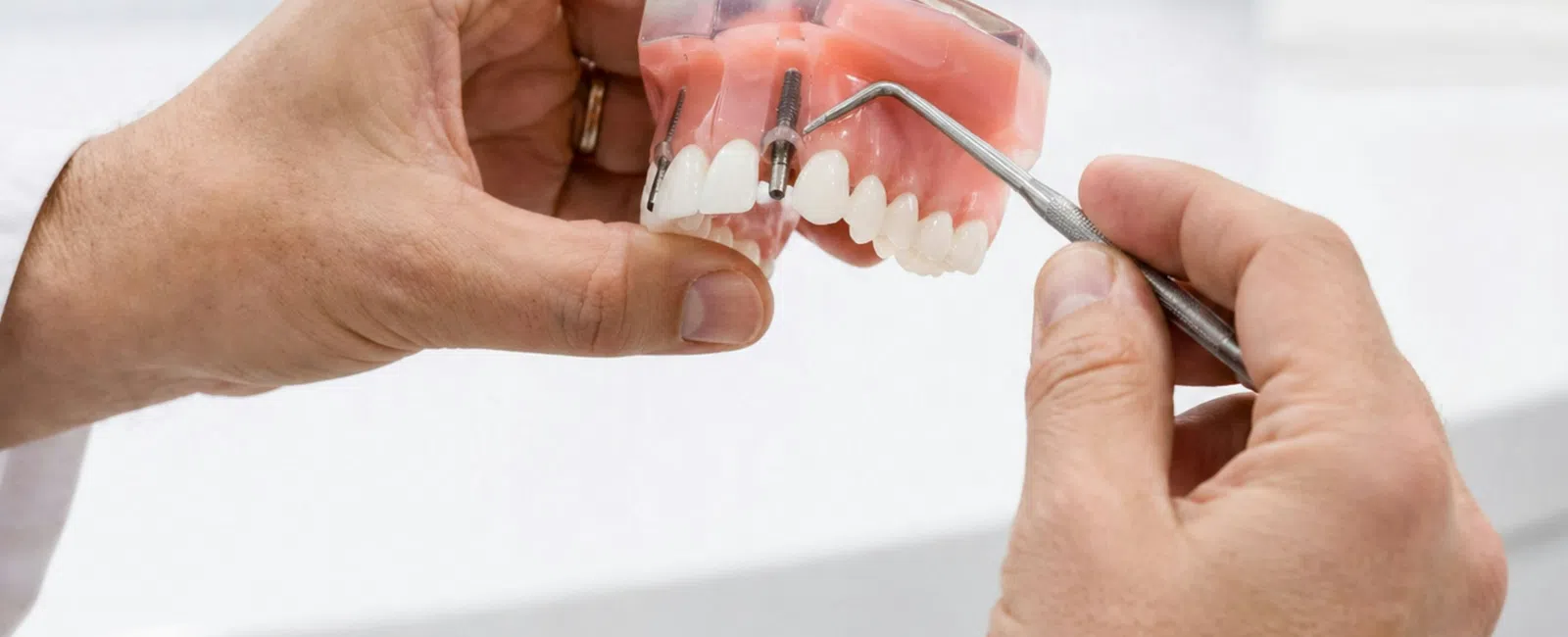
In some cases, your dentist might suggest a dental implant instead of a bridge, depending on the health of your jawbone and surrounding teeth. This is why it is important to talk through all your options during your appointment.
Caring For Crowns And Bridges
Both crowns and bridges can last many years with the right care. Brushing twice a day, flossing daily, and keeping up with regular dental checkups will help protect your investment. For bridges, it is especially important to clean carefully around and under the pontic to prevent gum disease or decay in the supporting teeth.
If you are unsure which treatment is right for you, the best step is to schedule a visit with your dentist. They can examine your teeth and explain which option will restore your smile and keep your mouth healthy for years to come.
